

Technology has transformed how we learn, communicate, and interact with the world. Across Uganda and many parts of Africa, schools and communities are increasingly adopting digital tools to improve education, expand access to information, and prepare learners for the future. From mobile learning platforms and online classrooms to digital libraries and virtual collaboration, technology is reshaping the educational structure.
However, while digital transformation brings very many opportunities, it also presents serious challenges. Learners today face risks such as cyberbullying, misuse of personal data, exposure to inappropriate content, online scams, and excessive screen time. Without proper safeguards, these expose learners to significant risks. At the same time, many communities still struggle with limited internet access, low digital literacy, and unequal access to digital devices.
Therefore, digital safety and digital inclusion are not optional add-ons but they are foundational pillars of modern education. As schools in Uganda and across the continent accelerate ICT adoption, ensuring every learner can participate safely and equitably has become a shared responsibility for educators, parents, policymakers, NGOs, and communities.
Diverse group of Ugandan primary and secondary school students engaged with digital devices under teacher supervision in classroom setting, promoting digital safety and inclusion.
The Growing Importance of Digital Safety and Inclusion
Digital safety encompasses practices that protect users from online harms while promoting responsible technology use. Digital inclusion ensures that marginalized groups for example rural learners, girls, students with disabilities, and low-income communities have equitable access to digital tools, skills, and safe online environments.
In Uganda, where initiatives like Edtech Teachers Network (Edutech Exchange), the Edify Uganda Edtech Projects and broader government efforts push for ICT integration, the stakes are high. With high internet penetration among youth but varying levels of awareness, children face amplified vulnerabilities.
Most children in our schools are vulnerable online but how can teachers help reduce these risks?
Key Online Risks Facing Children and Learners
Children in schools and communities encounter several interconnected threats:
- Sharing or posting of private, hurtful, harmful, humiliating, or false information about a person through digital devices is called cyber bullying. It occurs through text messaging, social media, online chats, and gaming platforms. In Uganda and sub-Saharan Africa, reports show notable prevalence, contributing to mental health challenges, low self esteem, school avoidance, and dropout risks.
- Also misuse of Personal Data where young users often share identifiable information without understanding long-term consequences, leading to privacy breaches or exploitation.
- Inappropriate Content that exposes learners to harmful material, including violence, explicit imagery, or misinformation, is common without filters or guidance.
- Unsafe Online Relationships are so common where predators may groom children through seemingly friendly interactions on social media platforms or games.
- Increased digital addiction and excessive screen time affects sleep, physical health, academic performance, and social development.
Schools and all our communities should know that digital safety is not just a technical issue rather a shared responsibility that requires collaboration between teachers, learners, parents, and institutions.
Globally and regionally, adolescents (often ages between 12–17) report higher rates of cyberbullying victimization, making this a critical focus for secondary schools.
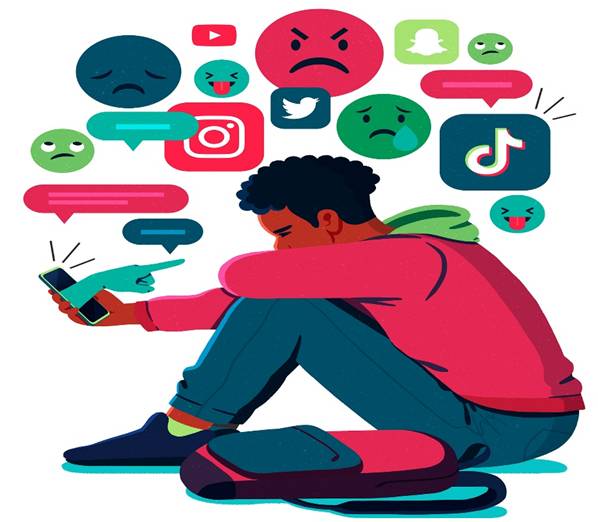
Understanding the pervasive nature of cyberbullying in digital spaces.
Practical Strategies for Promoting Online Safety
Effective protection combines education, technology, and policy. Key best practices include:
- Teach learners to use unique, complex passwords and keep devices updated with the latest security patches.
- Parents and teachers can use tools to limit access, monitor usage, manage screen time and set healthy boundaries.
- Activate SafeSearch on browsers and recommend age-appropriate platforms.
- Develop and enforce clear guidelines on device use, acceptable online behavior, and reporting mechanisms to guide learners and protect them from harm.
- Train students to verify information before sharing, recognize phishing or fake news, and practice empathy online.
- Encourage regular, non-judgmental open conversations between children, parents, and teachers about online experiences.
- Protect personal information, teach cyberbullying response strategies (block, report, seek help), and promote positive digital citizenship.
It is commendable for Schools to integrate digital safety modules into the curriculum, starting from upper primary levels, with practical workshops for both students and teachers.
Fostering Collaboration: A Multi-Stakeholder Approach
Creating safer digital environments demands collective action where teachers and Schools lead by example, integrate safety training, and establish reporting systems within supportive environments. Parents and Families must model responsible device use, monitor younger children, and maintain open dialogues. Also, organizations Edify Uganda, UNICET and Internet Society Uganda can provide toolkits, training, and awareness campaigns.
In the same way the government can enforce data protection laws, invest in infrastructure, support teacher training, and promote national digital safety curricula.
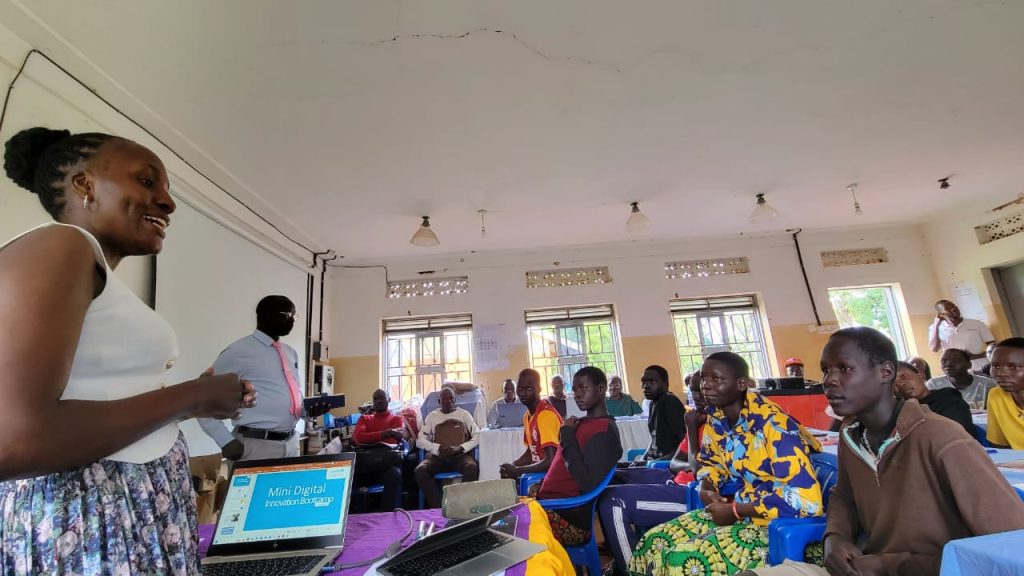
Collaboration is key to building safer digital ecosystems. A multi-stakeholder group in Uganda training on digital safety and inclusion.
Emphasis is put on Inclusivity Where no learner is left behind. Digital inclusion means addressing barriers such as limited device access in rural areas, gender disparities, and lack of assistive technologies for learners with disabilities. Programs must prioritize equitable access alongside safety training so that every child benefits from ICT in education and develops digital citizenship skills. Initiatives should feature localized content in local languages, low-bandwidth solutions, and training tailored to diverse needs.
Conclusion and Call to Action
Digital safety and inclusion are essential for protecting learners, building trust, and unlocking technology’s full potential in African education. By addressing risks like cyberbullying prevention, data misuse, and harmful content through practical strategies and collaboration, we can foster environments where technology empowers learners rather than putting them in danger. Protecting every learner and promoting respect and responsible online behavior is a collective duty. Let us commit to safe online learning that leaves no one behind.
Call to Action:
Join the movement for responsible digital citizenship. Visit edutechteachers.net for resources, subscribe to @EduTechTrsNet on YouTube, and implement one new digital safety practice in your school or home this week. Share this article with colleagues and policymakers. Together, we can build safer, more inclusive digital communities across Uganda and Africa.
Author Bio
Katusiime Apofia is an educator, ICT trainer, EdTech advocate, researcher, and community development enthusiast passionate about leveraging technology for safe and inclusive learning in Africa. Through digital literacy training, teacher empowerment, and community engagement initiatives, she promotes responsible technology use, digital citizenship, and inclusive education practices in schools and communities.

Leave a Reply